Introduction
Industrial neodymium magnets are among the strongest permanent magnets ever made. They have transformed how industries operate by offering compact and powerful solutions for mechanical, electronic, and energy applications medicion magnetica para auditorias. These magnets are made from a combination of neodymium, iron, and boron (NdFeB), giving them incredible magnetic strength despite their small size. Their efficiency and durability make them a vital component in countless industrial setups, from automotive systems to renewable energy technology.
What Are Industrial Neodymium Magnets?
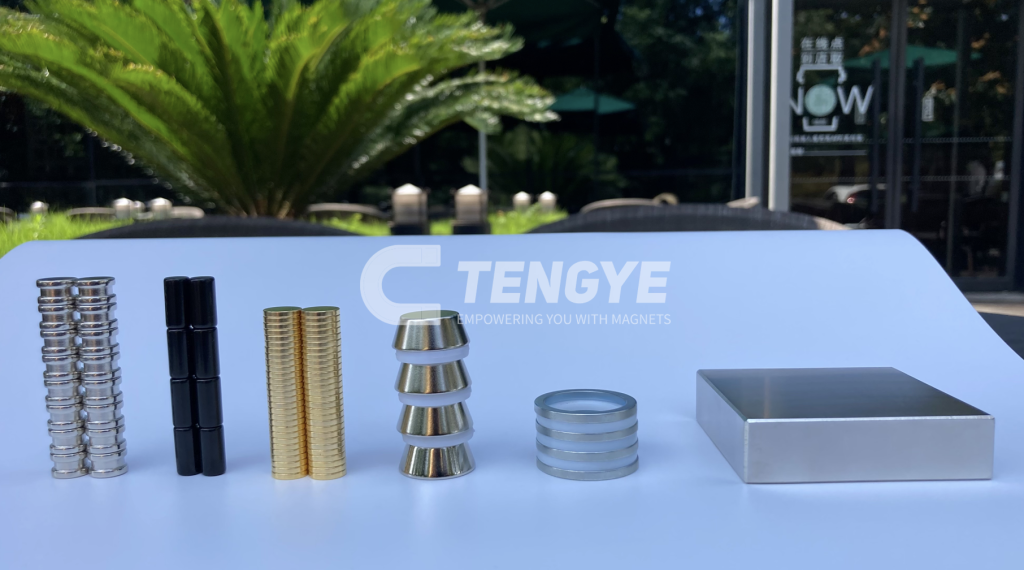
Industrial neodymium magnets belong to the rare-earth magnet family and are known for their superior magnetic force. Unlike traditional magnets such as ferrite or alnico, these magnets deliver much higher magnetic energy in a smaller volume. This feature allows industries to design compact and efficient machines without compromising performance. Neodymium magnets are also coated with materials like nickel or zinc to prevent corrosion, ensuring they last longer even under harsh conditions.
Applications in Modern Industries
Neodymium magnets play a major role in various industrial sectors. In the automotive industry, they are used in electric motors, sensors, and fuel pumps, helping improve vehicle performance and efficiency. Wind turbine manufacturers rely on these magnets to generate power more effectively, as their strength helps create higher energy output with less material. In electronics, they are used in hard drives, headphones, and speakers, allowing devices to produce better sound quality and faster performance. The healthcare industry also benefits from neodymium magnets, especially in MRI machines and magnetic therapy tools.
Energy Efficiency and Performance
One of the most valuable features of industrial neodymium magnets is their energy efficiency. Their powerful magnetic field means that less electrical energy is required to achieve high performance. This not only reduces operational costs but also contributes to environmental sustainability. For example, in electric vehicles and wind turbines, neodymium magnets enable more efficient conversion of energy, helping reduce overall carbon emissions. Their consistent performance under varying temperature and pressure conditions also ensures reliability in demanding applications.
Challenges and Safety Considerations
Despite their advantages, neodymium magnets come with certain challenges. They are brittle and can break easily if not handled carefully. Their strong magnetic pull can also pose safety risks during assembly, as they can snap together forcefully and cause injury. To prevent this, industries use protective coatings and special handling equipment. Another concern is their temperature sensitivity; at extremely high temperatures, these magnets may lose some of their magnetic strength. Manufacturers often design specialized grades to overcome this limitation and maintain performance stability.
The Future of Industrial Magnet Solutions
The demand for industrial neodymium magnets continues to grow as more industries shift toward cleaner energy and advanced automation. Research is ongoing to develop stronger and more temperature-resistant versions that can work efficiently in extreme environments. Efforts are also being made to recycle rare-earth materials from used products, reducing dependence on mining and promoting sustainable production. As innovation continues, industrial neodymium magnets will remain at the core of technological advancement across the globe.
Conclusion
Industrial neodymium magnets have revolutionized multiple industries with their unmatched strength and compact design. From powering electric vehicles to driving wind turbines, they are essential to the modern world’s technological growth. As industries aim for higher efficiency and sustainability, these magnets provide a practical and long-lasting solution. Their continued development promises a future where power, efficiency, and innovation come together to create smarter and greener industrial systems.